

1 vendor-registry-eu.csv
Rows 12–14, status column approved, region scope EU-27.
Five practices under one discipline — a cited answer, a connected system, a conversation, an in-product suggestion, a generated asset. Each one grounded in your own data, evaluated against your own cases before it ships, and left with a person in the loop wherever being wrong is expensive.

A generated sentence is worth exactly as much as the passage underneath it. So we build retrieval that keeps the two attached — every clause carries the source it came from, and you can open it.
“Which translation vendors are approved for our EU regulatory filings, and who signs off?”
Three vendors are approved for EU regulatory filings: Lionbridge, RWS and Semantix1 Each must hold current ISO 17100 certification, re-verified annually before renewal2 Filings for Germany and Austria additionally require sign-off from the regional compliance lead, not the filing owner3
Rows 12–14, status column approved, region scope EU-27.
§3.1 — “certification shall be re-verified annually prior to contract renewal.”
§4, DE/AT addendum — approval authority sits with the regional compliance lead.
3 of 3 clauses grounded — an answer with an unsourced clause is held, not shipped.
Not a sequence — pick whichever maps to what you're building. Each one turns unstructured material into something a model, or a person, can actually rely on.

Before any of this: a stack of pages nobody has indexed yet. Every practice below starts the same place — turning unstructured material into something a model can use correctly — then diverges based on what you're actually shipping: a cited answer, a connected system, a conversation, an in-product suggestion, or a fully custom build.
Retrieval-augmented generation is only as good as the pipeline feeding it — ingestion, chunking, embedding and retrieval tuned to your documents, not a generic template. Every passage keeps its origin through the pipeline: an answer that cites its sources, not one that only sounds right, built to find the one paragraph that answers the question across repositories and languages.
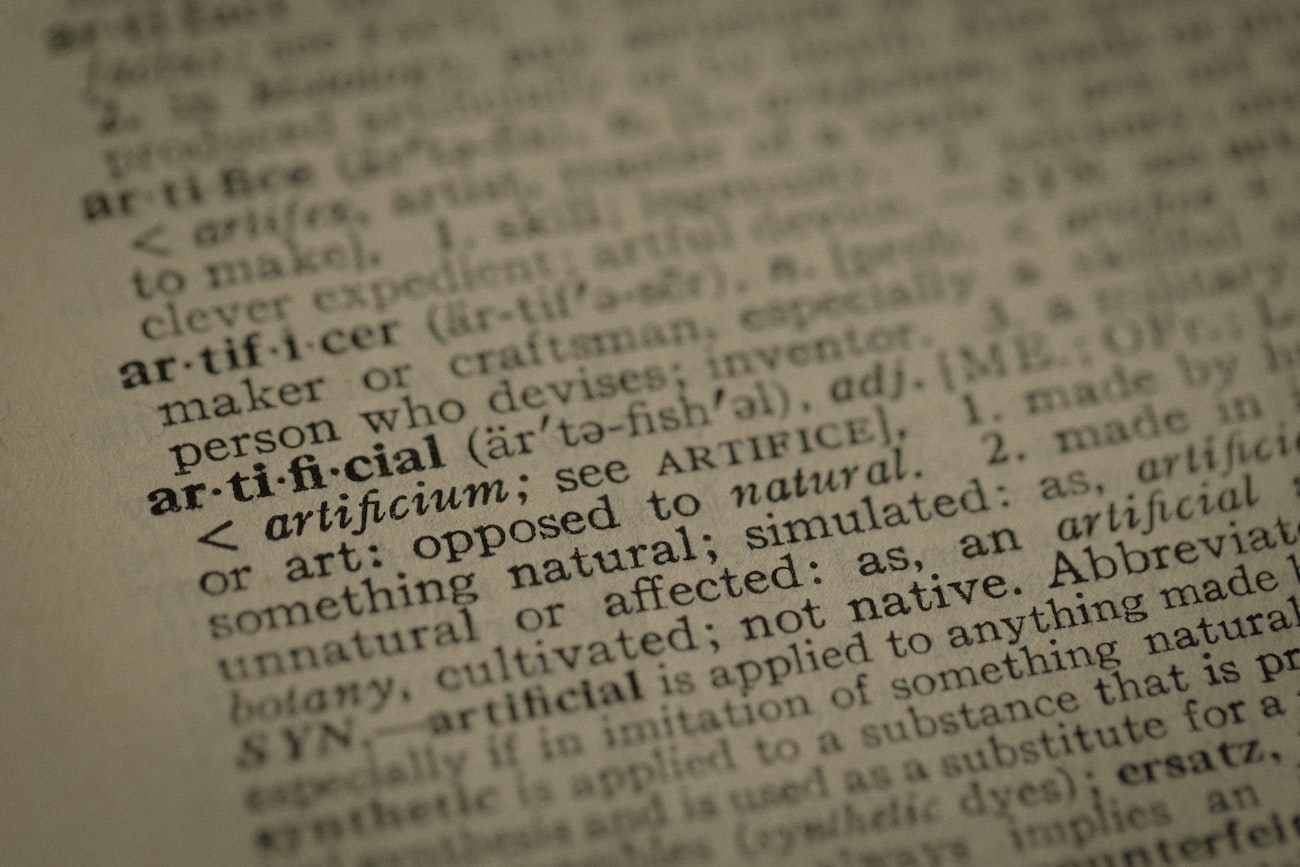
A model that has only read the dictionary will define your terms. One grounded in your documents will quote them — which is the difference between an answer that sounds authoritative and one that is.
The Model Context Protocol gives your internal tools and data one contract instead of a bespoke integration per AI application. We build the MCP server once — Claude, Copilot Studio, ChatGPT or your own agent can all call it the same way, so a new app or a new model doesn't mean rebuilding the connector.
A chatbot is easy to demo and hard to trust. We build conversational interfaces grounded in your actual knowledge base — with escalation paths to a human, logging you can audit, and the same guardrail discipline we apply to full agentic systems, scoped to a conversation instead of a multi-step workflow.
Not every AI feature should act on its own. A copilot suggests — inline, inside the tool your team already uses — and a person accepts, edits or ignores it. We build that pattern into your product or your internal tools: draft replies, code and query completion, suggested next steps, wired to just enough context to be useful and no standing authority to act without someone saying yes.

A suggestion is not a decision. The interface stays the team's own — the model offers, a person disposes.
Sometimes the right answer isn't a chatbot or a plug-in — it's a purpose-built application around a specific job: generating and reviewing product imagery and video, converting speech to text and back, or wiring generation directly into a workflow your team already runs. We build these the way we build everything else here — with the evaluation harnesses, schemas and human review gates that keep a generative feature from becoming a liability, not a demo that happens to work once.



The style controls a batch is checked against — palette, tone, do-not-use — held constant across every variant, with a reviewer able to reject anything that drifts before it ships.
Tell us what you're trying to ship — we'll tell you what's realistic in the first two weeks.